There is a continuing shift toward holistic dining experiences that nourish both body and mind. This trend encourages health-conscious choices, sustainability, and emotional well-being where food is not only delicious but also energising, ethical and brings joy.
With everything from yoga brunches to zero-waste interiors, restaurants are evolving into wellness hubs. This ‘Feeling Good’ trend involves consumers aligning their food choices with their values around health, community, sustainability, and self-care.
There are many different ways that consumers are using food to improve their overall well-being. From seeking migraine-friendly foods to collagen boosting smoothies that promise to give skin a glow, consumers are becoming more knowledgeable on the links between their diet, gut health, well-being and appearance.
What’s Driving The Feeling Good Trend?
• Global Influence: Wellness-forward food cultures from around
the world are inspiring UK concepts; think acai bowls, wholefood cafes and smoothie bars. Raw Press has a café in Chelsea which, as well as offering their signature juice and drinks range, offer a menu of nutritious plant-based food, with a selection of grab-and-go breakfast and lunch options. They also sell a wide range of homemade raw and refined sugar-free treats, and a selection of wellness products from the UK and beyond.
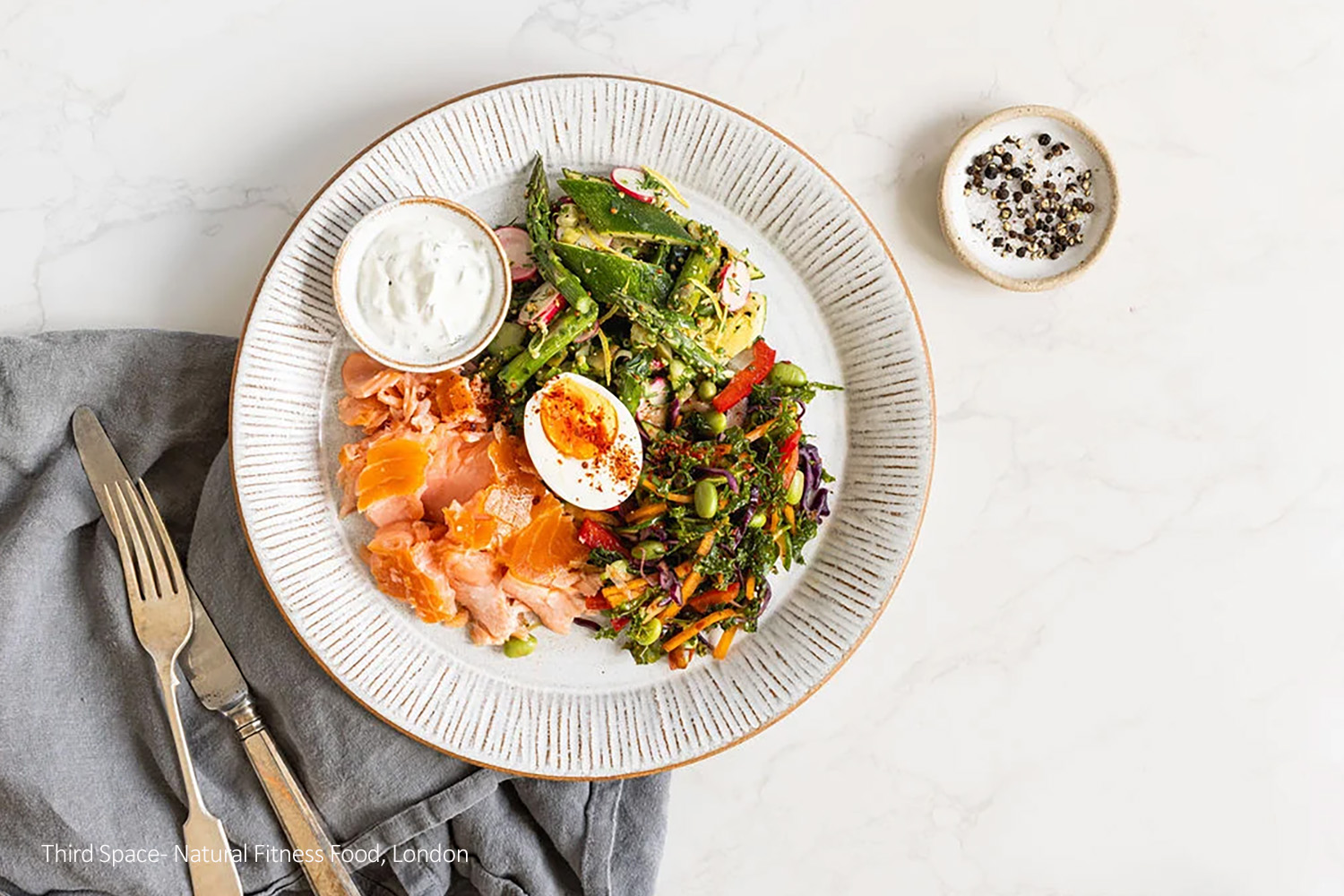
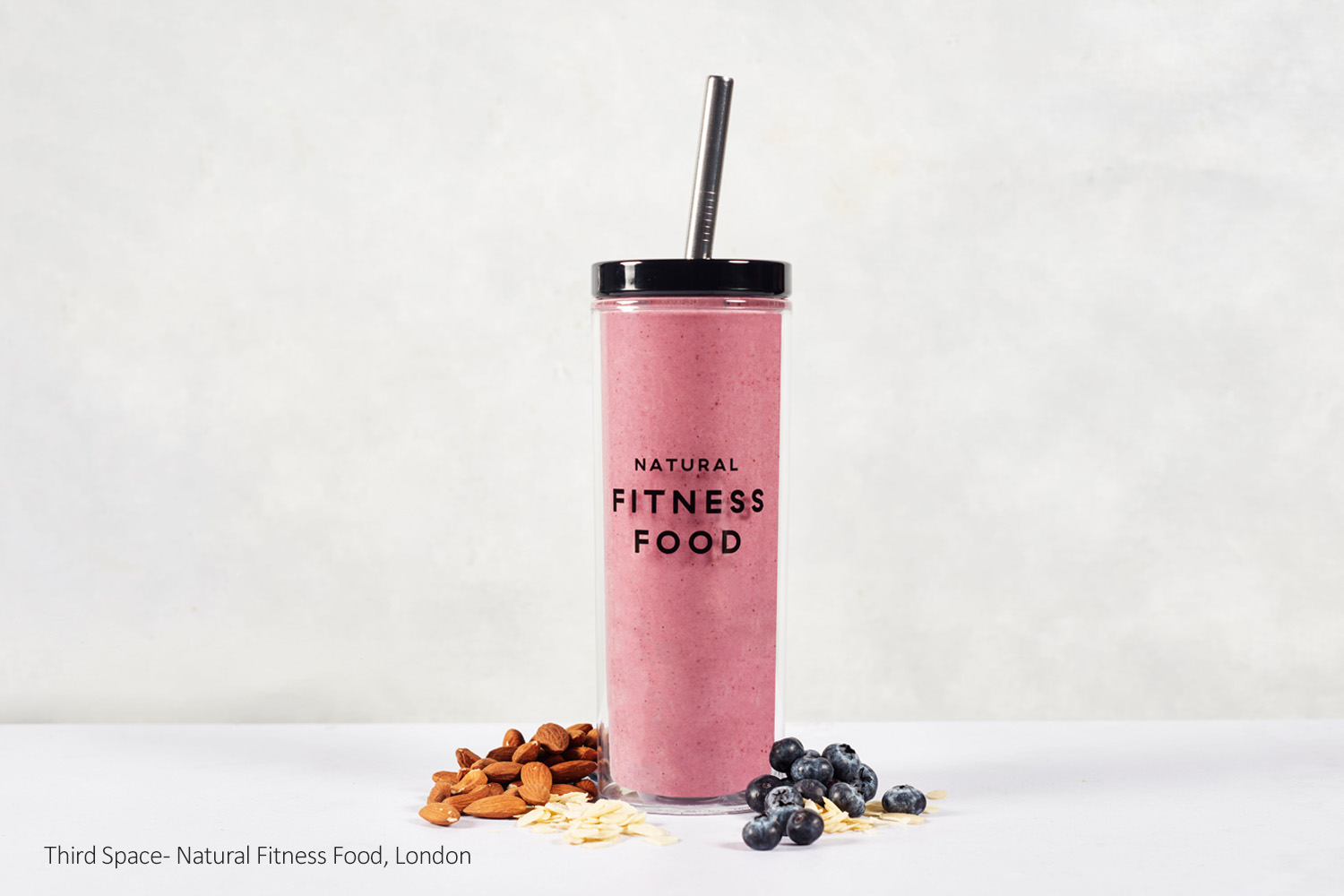
• Lifestyle Integration: The fusion of fitness and food reflects a growing desire for convenience and holistic well-being. For example, Acai Berry café in Shoreditch has a Pilates studio located underneath. Luxury health club, Third Space in London has its own food brand, Natural Fitness Food, where the menus are created by nutritionists and then cooked up by chefs.
• Sustainability and Ethics: Consumers feel good when they support brands that care. We are seeing more zero-waste kitchens and consumers taking note of B-Corp certifications and carbon-neutral goals. Sweetgreen, which is based around the USA, aims to build healthier communities by connecting people to real food. They are committed to becoming carbon neutral by the end of 2027.
• Transparency and Trust: Real food, traceable sourcing, and scratch cooking helps to build trust with customers. The Gallivant in East Sussex use 95% of fresh ingredients sourced within 10 miles of the beach restaurant and hotel.
Where is the trend going?
• Hyper-Seasonal: Restaurants are growing their own produce or sourcing ultra-locally, with the aim of reducing carbon footprints and increasing freshness. Good Bank
in Berlin Germany has transformed its urban setting into an indoor vertical salad farm. Guests can watch their own meal being harvested fresh before their eyes. No pesticides or genetically modified seeds are used in this farm, just an LED light to help the salads grow.
• Functional & Nutritional Menus: Expect more dishes that have been guided by nutritionists, with ingredients chosen for their claimed health benefits such as gut friendly, anti-inflammatory or energising. An article from The Sustainable Restaurant Association highlighted that at Rosewood Phuket in Thailand, executive chef, Luca De Negri, developed a set of wellness cuisine principles to guide the hotel’s menu design. The dishes encourage their guests to eat well and feel good while helping to protect the planet. One of the hotel’s restaurants, Ta Khai, is designed with repurposed materials to create a rustic Thai village ambience. They also have a Zero Waste commitment covering every step of the dining experience, including an organic food compost system that transforms kitchen scraps and food waste into nutrient-rich compost.
• Multi-Sensory Wellness Spaces: Dining venues are becoming places to relax combining design, scent, sound, and food to create immersive well-being.
• Community-Driven Concepts: Hospitality brands are building loyal customers by connecting people through shared values, community events and food stories.
Embracing this trend
• Design wellness menus which include plant-based, fermented, and nutrient-rich options. Why not collaborate with nutritionists or other well-being experts?
• Source sustainably by partnering with biodynamic farms, ethical butchers, and local growers. Make
sure you are highlighting provenance on your menus. You could also adopt zero-waste practices, composting, and sustainable packaging. Aim for certifications like B-Corp or for Michelin green stars to promote that your hard work has been recognised externally.
• Design for mindfulness when refurbishing or creating a new hospitality space by using natural
materials, calming colours, and re-purposed décor or furniture.
• Think about ways to offer more than just food. You could team up with other local business to offer yoga brunches, breathwork dinners, or collaborate with nearby fitness studios.
• Allow guests to design their own dishes with build-your-own bowls or meals with fresh, wholesome ingredients.
• Consider how you can get involved with community events such as litter picking, cooking workshops,
or wellness talks to build a stronger emotional connection with your local customers.
• Celebrate seasonality and rotate menus based on what’s fresh and local. Use seasonal veg in unexpected ways, you could even include them in your desserts. Ottolenghi has a commitment to the championing of vegetables, as well as unusual ingredients. On their website they describe this as ‘The Ottolenghi effect’, the creation of a meal which is full of colour, flavour, bounty and joy.
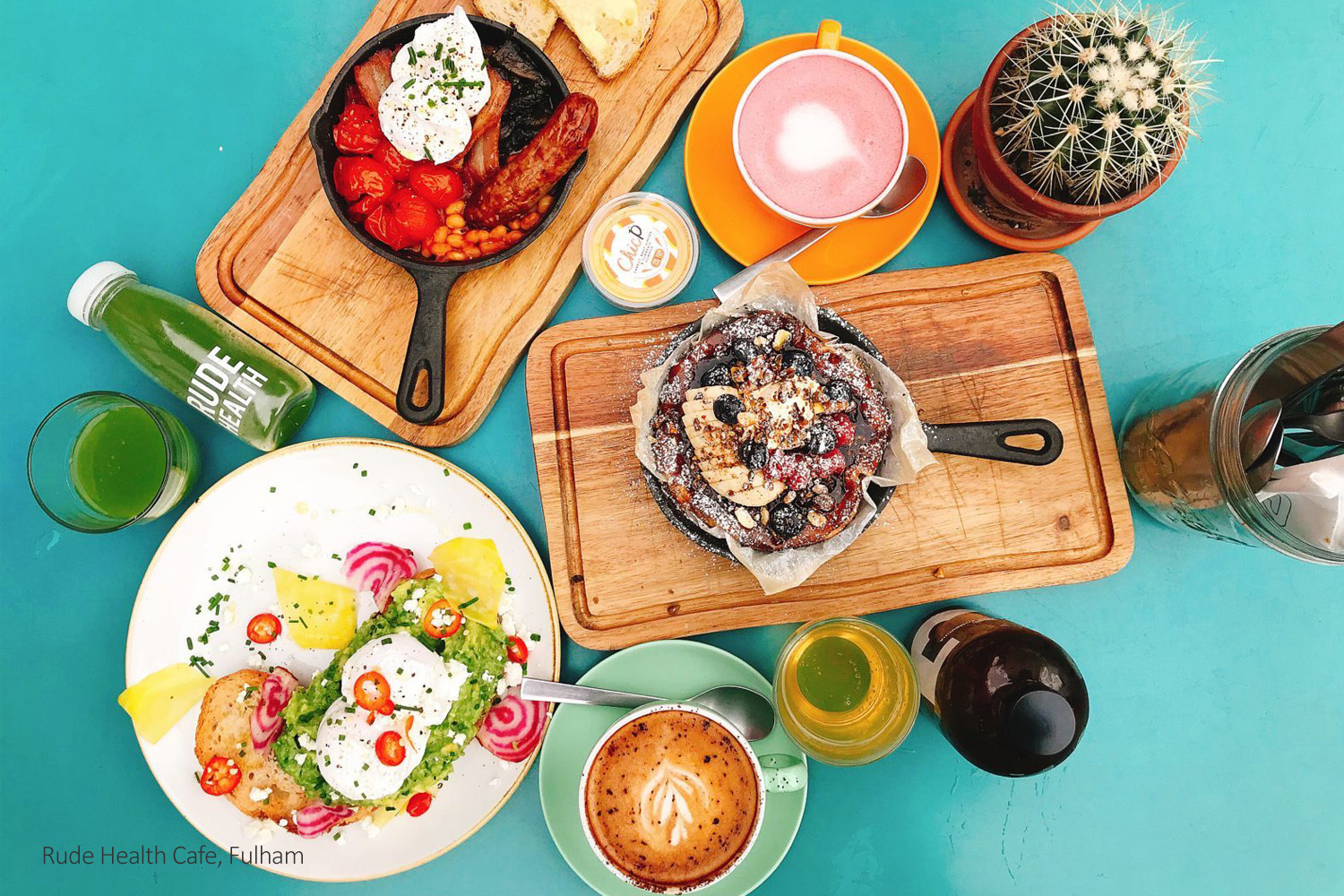
• Sell branded granolas, juices, or wellness products in-store or online to extend the experience beyond the meal. Retail brand, Rude Health has a café in Fulham selling organic, fermented, healthy food. Square Meal has rated it one of the best healthy restaurants in London. They sell their own brand granola and dairy free drinks and have strong sustainability messaging by being certified B-Corp and their packaging is made from 88% renewable materials. They also donate 5% of profits to charity.